
Why Should You Consider Working With a Yoga Therapist for Mental Health Support?
Why Should You Consider Working With a Yoga Therapist for Mental Health Support?
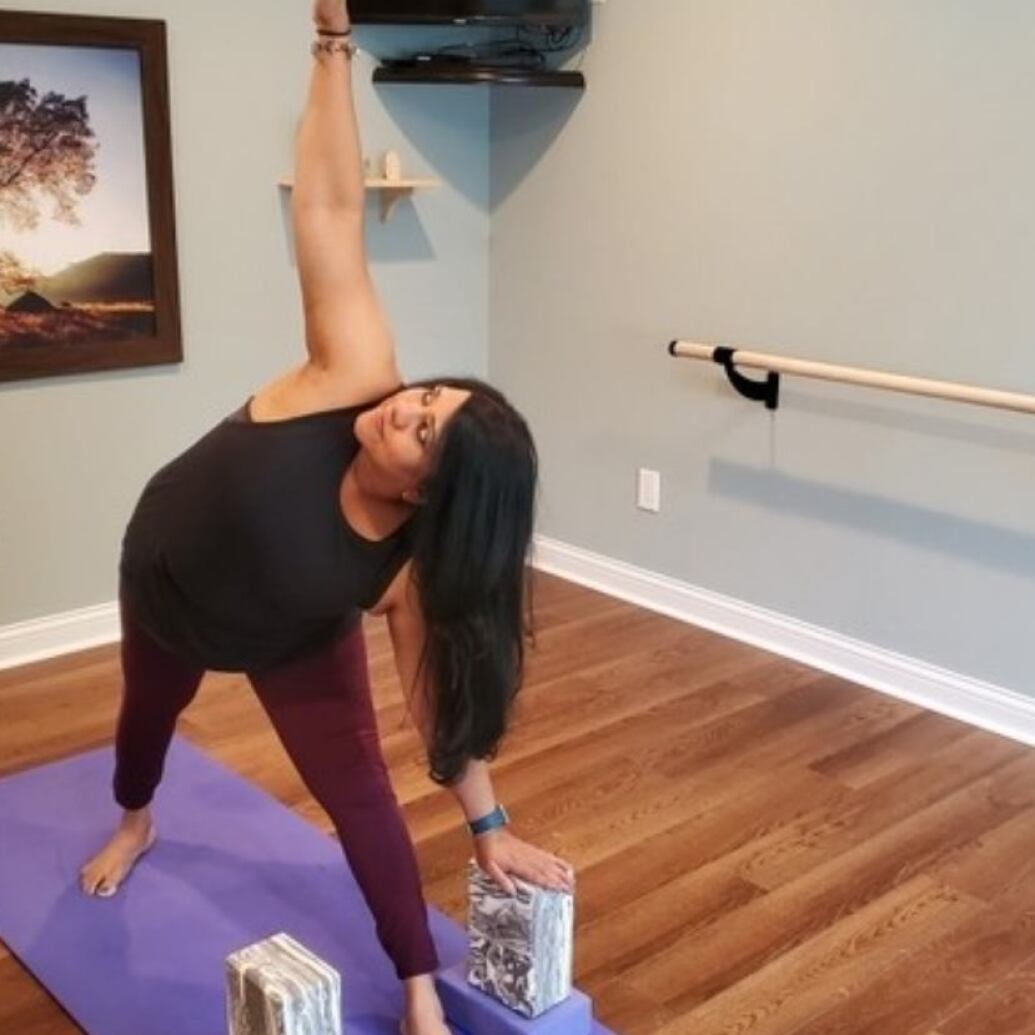
Life can feel like a roller coaster sometimes.
Stress, worry, sadness, or chronic illness can make everyday life feel super hard. When the mind feels heavy, the body often feels it too. Tight muscles, poor sleep, low energy, and racing thoughts can all show up together.
That is why many people turn to a yoga therapist for extra mental health support.
This is not just about stretching or doing fancy poses. It is about helping the mind and body work together again. A yoga therapist uses gentle movement, breathing, and mindfulness to help people feel calmer, stronger, and more balanced.
What Is a Yoga Therapist, Anyway?
A yoga therapist is trained to use yoga practices in a more personal way. Think of it like this. A regular yoga class is like buying shoes off the shelf. Yoga therapy is like getting shoes made just for your feet. A yoga therapist creates practices based on your personal needs. This can help people dealing with:
- Anxiety
- Depression
- Stress
- Chronic pain
- Cancer recovery
- Fatigue
- Sleep troubles
This personal touch can make a huge difference.
Mental Health Is Not Just “In Your Head”
Mental health struggles often affect the whole body. When someone feels stressed or anxious, they may also have:
- Headaches
- Tight shoulders
- Fast heartbeat
- Tummy troubles
- Trouble sleeping
- Low energy
The body and mind are teammates. When one struggles, the other often does too. That is where yoga therapy shines. By using movement and breath, yoga therapy can help calm the nervous system. It can help the body stop feeling like it is stuck in panic mode.
Why Breath Matters More Than You Think
Breathing may sound simple, but it is a big deal. When people feel scared or stressed, breathing often gets quick and shallow. A yoga therapist teaches breathing tools that can slow things down.
This can help:
Calm the brain
Slow breathing can send signals that the body is safe.
Lower stress
Deep breathing may help reduce tension.
Improve focus
A calm mind can think more clearly.
It is kind of like hitting the pause button when life gets wild.
It Is Not One-Size-Fits-All
Here is the truth. Everyone’s mental health journey is different. Some people feel anxious. Some feel burned out. Others may be healing from illness or trauma. That is why yoga therapy is tailored to each person.
For example:
|
Challenge |
How Yoga Therapy May Help? |
|
Anxiety |
Breathing and grounding |
|
Depression |
Gentle movement and energy |
|
Burnout |
Rest and relaxation |
|
Chronic pain |
Safe stretching and stress relief |
|
Cancer recovery |
Gentle healing support |
This custom approach helps people feel seen and supported.
Gentle Movement Can Be a Game Changer
A lot of people think yoga means twisting like a pretzel. Not true. Yoga therapy often uses simple, gentle movements.
This can include:
Stretching
Helps release tight muscles.
Breathing exercises
Supports calm and focus.
Meditation
Helps quiet busy thoughts.
Relaxation
Gives the body time to recharge.
Even small movements can help people reconnect with their bodies.
No Need to Be a Yoga Pro
Good news. You do not need to be flexible. You do not need yoga pants. And you definitely do not need to stand on your head. Yoga therapy is for real people dealing with real struggles. Sessions can be changed for beginners, people with chronic illness, or anyone feeling overwhelmed. It is about healing, not showing off.
Why Experience Really Counts
When mental health and physical health overlap, experience matters. A trained professional who understands both healthcare and yoga can offer better support. For example, Yoga Care for You was founded by Meena Ananth, who combines years of healthcare experience with yoga therapy knowledge. This kind of background can be especially helpful for people facing cancer, chronic pain, or daily stress.
Small Steps Can Lead to Big Changes
Healing does not happen overnight. It is more like planting seeds and watering them each day.
A yoga therapist may help people:
- Learn healthy breathing
- Build better body awareness
- Manage stress
- Improve sleep
- Feel more in control
These small steps can add up over time.
Ready to Feel More Like Yourself Again?
Mental health support can come in many forms. For those looking for a gentle, body-based approach, working with a yoga therapist in Amelia may be a smart step. At Yoga Care for You, personalized yoga therapy can help support emotional wellness, reduce stress, and build a stronger mind-body connection in a safe, caring way.
FAQs
1. Can yoga therapy replace mental health counseling?
No. Yoga therapy can complement counseling, medication, or medical treatment, but it should not replace professional mental health care when needed. It often works best as part of a broader wellness plan.
2. Is yoga therapy safe for chronic illness?
Yes, when guided by a qualified professional. Personalized yoga therapy is often adapted for specific conditions, energy levels, and physical limitations.
3. How often should someone practice yoga therapy?
This depends on individual needs. Some benefit from weekly sessions, while others use daily breathwork or movement practices for ongoing support.
4. Can beginners try yoga therapy?
Absolutely. Yoga therapy is designed for all experience levels and often starts with simple breathing, stretching, and mindfulness practices.
5. Does yoga therapy really help anxiety?
Many people find that yoga therapy helps reduce anxiety symptoms by calming the nervous system, improving breathing patterns, and building emotional awareness over time.